Early years education in the UK is evolving, and nowhere is that change more visible than in play-based preschool Manchester settings. Parents, educators, and child development experts increasingly champion an approach that blends curiosity, discovery, and growth. But what is driving this trend, and why are so many families choosing play‑based nurseries over traditional early learning models? Let’s explore the reasons behind this shift and see how it affects children’s development.
Play‑based learning is more than just fun. It is a core educational strategy where play is the main vehicle for children to explore, experiment, and develop skills. Evidence shows that these activities improve language, numeracy, and cognitive development more effectively than rigid instruction. For instance, research from the Education Endowment Foundation highlights the long-term benefits of play-led learning in the early years.
At Lemon Tree Nursery, a play-based learning environment allows children to engage in activities tailored to their interests. This ensures that learning feels natural while developing essential life skills, making it a prime example of the modern nursery approach in the UK.
What Is a Play-Based Preschool and How Does It Work?
Play-based preschools centre learning around play. Children are encouraged to explore, experiment, and learn at their own pace. At Lemon Tree, for example, key staff observe each child’s interests to guide development while still encouraging independence and creativity.
This style of learning supports multiple developmental areas. Whether children are stacking blocks, pretending to run a shop, or engaging in sensory activities, they learn mathematics, social skills, and language organically. This is central to child-led learning preschool philosophies, where every activity has a learning purpose embedded in play.
The balance of structure and freedom is key, which is why Lemon Tree’s daily routines are carefully designed to promote consistency while allowing choice.
Why Play-Based Preschools in Manchester Are Gaining Rapid Popularity
Manchester parents are drawn to play-based preschools for several reasons. First, there is an increased awareness of the importance of emotional wellbeing, social skills, and creativity in early childhood.
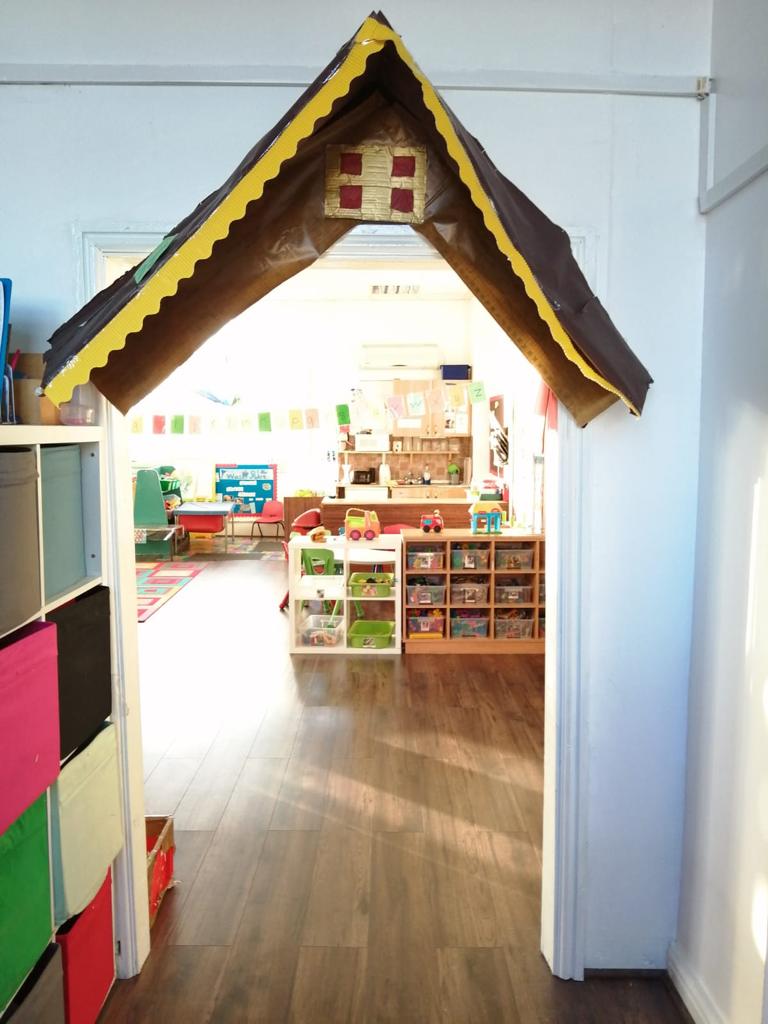
Many families are moving away from strictly academic models and looking for settings where children can grow confidently while having fun.
The city’s diverse community also plays a role. Children benefit from social interactions across cultures and backgrounds, helping them develop empathy and communication skills. Lemon Tree’s curriculum reflects this diversity by introducing children to different traditions through storytelling, music, and arts, nurturing respect and understanding from a young age.
Play-based approaches like those at Lemon Tree give children space to thrive academically and socially, without the stress often associated with formal testing.


How a Play-Based Preschool in Manchester Supports Whole-Child Development
Play-based learning fosters the development of the whole child. Socially, children learn negotiation, cooperation, and empathy by interacting with peers. Emotionally, children gain confidence and self-regulation as they make choices in their play. Physically, activities that involve movement develop coordination and motor skills, supporting overall health.
For example, in physical development sessions, children engage in active games and outdoor play that strengthen both mind and body. Cognitive skills are nurtured through problem-solving, exploration, and curiosity-driven learning. By integrating these experiences, children develop a solid foundation for future learning.
The Role of the Modern Nursery Approach in Early Years Education
The modern nursery approach in the UK treats children as active participants in their own learning. Rather than rigid lessons, educators act as facilitators, guiding observation and engagement. Activities are designed to be meaningful and to stimulate curiosity, from sensory exploration to science-based play.
This approach aligns with the EYFS framework, ensuring that children are learning key skills while enjoying a rich, playful environment. Parents visiting Lemon Tree notice that children are encouraged to make choices and take ownership of their learning, which helps build independence and confidence.
Why Manchester Parents Are Choosing Play Over Pressure
Many parents now prefer play-based preschools because they reduce early stress and create positive learning experiences. Children in these settings are more likely to enjoy attending nursery, feel proud of their achievements, and develop healthy social habits.
Lemon Tree Nursery’s settling-in program supports each child’s transition, helping them adapt at their own pace. Parents report children returning home happy, confident, and eager to share what they have learned.
How Play-Led Learning Prepares Children for School and Life Beyond Nursery
Play-led learning builds essential skills for school readiness. Through interactive play, children develop focus, routine-following, problem-solving, and teamwork. These experiences nurture independence, resilience, and critical thinking.
For instance, group activities at Lemon Tree help children learn how to cooperate, take turns, and express ideas effectively. This prepares them not just for school but for life skills they will carry into future learning experiences.
What Makes Manchester an Ideal City for Play-Based Early Education
Manchester’s vibrant community, family-friendly spaces, and parks make it ideal for play-based learning. Children can explore outdoor learning opportunities and benefit from local cultural resources. This complements programs like Lemon Tree’s outdoor experiential learning, which integrates environmental awareness and hands-on activities.
Additionally, the supportive parent community in Manchester shares experiences and guidance, promoting the popularity of play-based approaches.
Comparing Traditional Nurseries and Play-Based Preschools
Parents often compare traditional and play-based nurseries to decide the best fit for their child. A clear comparison shows the differences in teaching style, focus, environment, and emotional support:
Feature | Traditional Preschool | Play-Based Preschool |
Teaching Style | Teacher-led lessons | Child-led, exploratory |
Focus | Academic skills | Holistic development |
Environment | Desk-based classrooms | Open, flexible spaces |
Assessment | Formal testing | Observations & portfolios |
Emotional Focus | Low | High emphasis |
Parental Communication | Occasional | Regular updates via journals |
This comparison highlights how play-led preschool in Manchester emphasizes creativity, confidence, and social learning alongside foundational skills.
What to Look for When Choosing a Play-Based Preschool in Manchester
When choosing a play-based preschool, parents should consider: staff qualifications, environment, learning spaces, communication with parents, and child safety. Lemon Tree Nursery excels in all these areas, offering key person support, health and safety practices, and regular feedback.
Checking for programs that integrate diverse activities, including arts, science, and outdoor learning, ensures a balanced experience for each child.
Final Thoughts
Play-based preschools are thriving in Manchester because they meet family needs for joyful learning, emotional wellbeing, and social confidence. Exploring options like play-based preschool in Manchester can help your child enjoy education while developing lifelong skills.
For more information about quality care and programs, you can visit Lemon Tree Nursery’s about us page.
FAQs
At what age is it best to start a play-based preschool?
Most children begin between two and four years old, although every child develops at their own pace. Settling programs help them adapt comfortably to routines and social interactions in a nurturing environment.
Is a play-based preschool structured enough for early learning?
Yes, these preschools use gentle routines, guided play, and skilled observation to support learning. Children develop essential skills naturally while enjoying freedom to explore and make choices.
How do play-based nurseries track child development?
Practitioners use learning portfolios, detailed observation notes, and regular parent meetings. This ensures every child’s progress is monitored and supported in line with their individual needs.
Are play-based preschools aligned with the EYFS framework?
Absolutely. Play-based learning forms a core part of the Early Years Foundation Stage, ensuring children meet development milestones while enjoying creative and practical learning experiences.
Can play-led learning support children with different learning needs?
Yes, play allows for individual pacing and adapts to each child’s interests and strengths. This approach ensures all children, including those with additional needs, can thrive in a supportive environment.