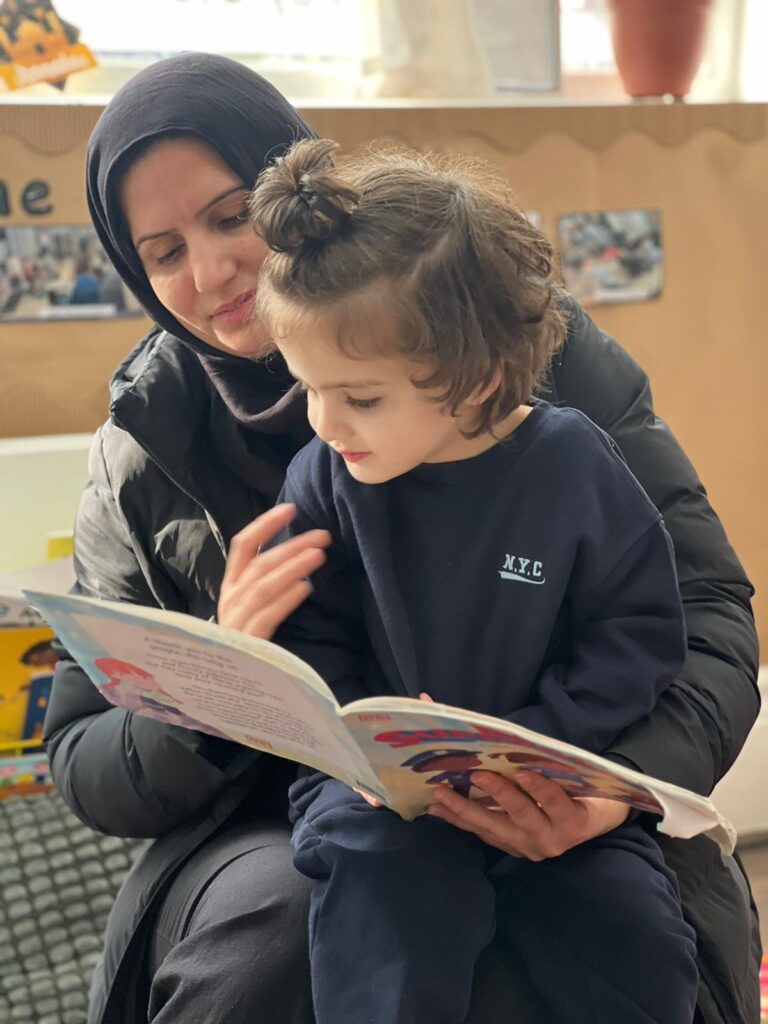
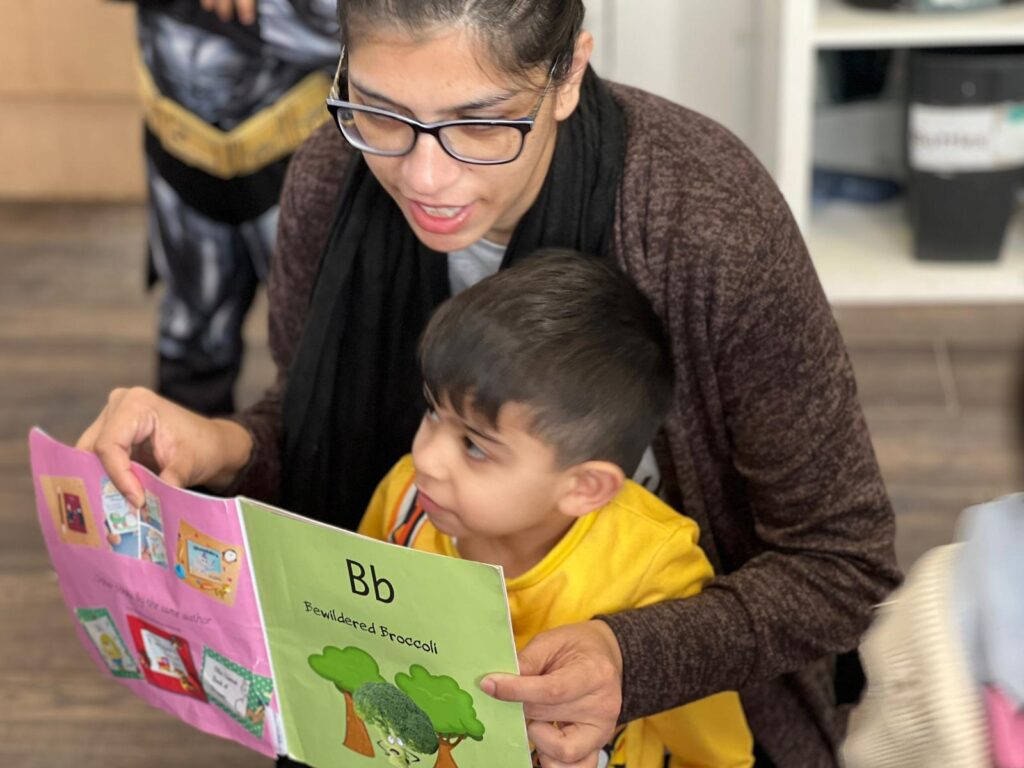
Reading with your child is one of the simplest ways to support early learning and emotional connection. Sitting together with a story helps children discover new words, ideas, and experiences while also strengthening the bond between parent and child.
At Lemon Tree Preschool, educators often see how regular story time encourages curiosity and confidence. Even small moments of reading together with children can gradually help in building a love of books in children. These daily habits often become the foundation for positive learning experiences later in school.
Families sometimes wonder how to get their child interested in books or what they can do at home to help. The good news is that simple routines, patience, and shared enjoyment can make a meaningful difference. Parents who are exploring early education options can also learn more about the nursery’s background on the About Us page, where the setting’s approach to early learning is explained.
Why Reading With Your Child Matters for Early Development
The benefits of reading with your child extend far beyond learning to recognise words. Shared reading supports language development, listening skills, and emotional understanding.
Reading also introduces children to the rhythm of language. Hearing stories regularly helps them understand how sentences work and how ideas connect.
How Story Time Supports Language and Communication
When parents read aloud, children hear new vocabulary and sentence structures. Over time, this supports vocabulary growth and encourages children to express themselves more clearly.
The Role of Books in Building Imagination
Stories help children imagine places, characters, and situations beyond their everyday experiences. Through storytelling, they learn about feelings, relationships, and problem-solving.
Strengthening Parent–Child Bonds Through Reading
Shared reading creates calm moments between parents and children. These quiet times allow children to feel supported and listened to.
In early years settings, these relationships are also supported through consistent routines and communication with parents, which you can read about in A Day in the Life at Lemon Tree Preschool.
Creating a Simple Daily Reading Routine at Home
Encouraging reading habits for young children often begins with simple routines at home.
Choosing the Best Time of Day for Story Time
Many families prefer bedtime reading because it helps children relax before sleep.
In preschool environments, children also benefit from predictable schedules. You can see an example in the nursery’s structured preschool routine, which explains how regular routines support confidence and emotional stability.
Setting Up a Comfortable Reading Space
A small reading corner with soft cushions and accessible books can help children settle and focus.
Parents who want to understand how early learning environments are designed for children can explore the nursery gallery of classroom activities and play spaces.
Keeping Reading Sessions Short and Positive
Young children have short attention spans. Short, enjoyable sessions are more effective than long reading sessions.
Choosing Age-Appropriate Books for Young Children
Parents sometimes ask what books are best for preschool children.
Picture Books for Toddlers
Books with colourful illustrations and simple text help toddlers connect words with images.
Many of these early literacy activities are supported through the Communication and Language area of learning described in the EYFS curriculum section.
Interactive Books for Curious Learners
Interactive books encourage participation through rhymes, repetition, and lift-the-flap pages.
These activities mirror the playful approach used in many early years settings, including the bilingual learning approach used at Lemon Tree Preschool.
Stories That Support Early Learning
Books about everyday experiences help children connect stories to their own world.
Parents who are deciding when children are ready for preschool learning can read the UK preschool starting age guide.
Practical Ways Parents Can Make Reading Fun
Parents often look for simple reading activities at home that keep story time enjoyable.
- Ask Questions During the Story: Questions help children think about what they hear and understand emotions in stories.
- Encourage Children to Predict What Happens Next: Prediction helps children pay attention to the storyline and become more involved in reading.
- Connect Stories to Everyday Experiences: Relating stories to real life makes reading more meaningful.
Examples of Reading Activities Parents Can Try
Activity | How It Helps Children |
Bedtime story routine | Builds consistency and comfort with books |
Acting out a story | Encourages imagination and understanding |
Describing pictures together | Supports vocabulary and observation |
Families interested in similar activities can also explore the nursery’s learning philosophy and play-based curriculum.
How Preschools Support a Love of Reading
Many parents ask how preschools encourage reading.
In early years settings, story time is often part of the daily routine. Teachers use songs, rhymes, and picture books to introduce new vocabulary and encourage conversation.
At Lemon Tree Preschool, storytelling and discussion are included within everyday classroom activities. Parents interested in the structure of the day can explore the daily routine followed at the nursery.
Families can also learn more about health and safety practices at the nursery, including controlled access, CCTV monitoring, and staff trained in safeguarding procedures.
Common Challenges Parents Face When Encouraging Reading
Many parents experience similar concerns when building reading habits.
- When a Child Loses Interest in a book: Introducing new types of books or visiting libraries can help renew curiosity.
- Balancing Screen Time With Reading: Setting aside daily family reading time can help maintain balance between digital devices and books.
- Helping Reluctant Readers Stay Engaged: Keeping reading relaxed and playful often helps children reconnect with stories.
Final Thoughts
Helping children develop a love of reading often begins with small daily habits. Reading with your child, sharing stories, and talking about pictures all support early literacy development and curiosity about the world.
Families who would like to explore childcare options, schedules, or funding opportunities can also review the nursery’s session and fee information, which explains the funded childcare hours available to eligible families in England.
Parents with further questions about enrolment or visiting the nursery can also reach out via the contact page to speak with the team directly.
Even a few minutes of shared reading each day can create meaningful learning moments that children carry with them as they grow.
FAQs About Reading With Your Child
How often should I read with my child?
Short daily reading sessions are usually enough to support early language development. Even 10–15 minutes a day helps children build vocabulary, listening skills, and a positive attitude toward books.
At what age should parents start reading to their children?
Many experts recommend starting from infancy. Reading aloud to babies, even before they understand words, helps them recognise sounds, rhythms, and patterns in language, laying the foundation for later literacy.
What if my child prefers pictures over listening to the story?
Focusing on pictures is completely normal for young children. Talking about the images, colours, and characters still supports vocabulary development and helps children understand storytelling in a visual way.
How can busy parents make time for daily reading?
Reading can easily fit into existing routines, such as bedtime, naptime, or quiet moments after nursery. Even short sessions are effective when they are consistent and relaxed.
Do audiobooks help children develop a love for reading?
Audiobooks can support listening skills and interest in stories. They work best when combined with traditional reading, allowing children to follow along with the book and explore new vocabulary.