Choosing a preschool for your child can feel exciting and overwhelming at the same time, especially if you are choosing a preschool in Manchester. You want a place that is safe, nurturing, and supportive, while also preparing your toddler for their next stage of learning.
With so many preschool options in Manchester, it can be tricky to know where to start. This guide walks you through what matters most and helps you make an informed choice.
Understanding What “Choosing the Right Preschool” Really Means
When you begin choosing a preschool in Manchester, it’s natural to focus on location or fees first. However, the “right” preschool is more than just convenience. It’s a place where your child feels secure, is encouraged to explore, and develops both socially and emotionally.

For instance, some preschools might look ideal because they’re close to home, but once you visit, you may notice the environment isn’t stimulating enough. Observing a setting in action is just as important as reading brochures.
If you want a feel for the staff and teaching approach, take a look at Lemon Tree Staff to see the qualified team who support children every day. Every detail, from smiles at the door to calm routines, can give you insight into whether a preschool is the right fit.
Why Early Years Education Matters for Toddlers and Young Children
Early years education lays the foundation for lifelong learning. During these formative years, children develop not just literacy and numeracy skills but also social skills, confidence, and curiosity.
The Early Years Foundation Stage (EYFS) framework in England guides all good preschools, ensuring that children learn, play, and develop in safe, structured, and enjoyable ways. For example, activities encourage exploration and problem-solving, while also fostering emotional and physical development.
Key Things to Consider When Choosing a Preschool in Manchester
Choosing a preschool isn’t just about ticking boxes. Focusing on key areas will help you find a setting where your toddler can flourish.
Location, Daily Routines, and Practical Family Needs
Think about your daily routine. Travel time, session lengths, and flexibility all matter, especially if you work or have other family commitments. Some preschools offer full-day care, while others provide shorter sessions. Knowing what fits your schedule makes it easier to narrow down options.
The Sessions & Fees page at Lemon Tree shows how they accommodate different family needs with structured yet flexible timings.
Staff Qualifications, Experience, and Child-to-Teacher Ratios
Children benefit enormously from trained, experienced staff. A preschool with low child-to-staff ratios ensures each toddler gets individual attention, essential for building confidence and emotional security.
You can see staff profiles at Lemon Tree Staff to get a sense of expertise, qualifications, and specialisms in early years education.
Learning Approach: Play-Based, EYFS, and Structured Learning Balance
Play is essential for early development. A preschool following the EYFS framework, like Lemon Tree, ensures children learn through exploration and guided play. As children grow closer to school age, some structured learning is introduced to support school readiness, without compromising fun.
What Makes the Best Preschool for Toddlers?
The best preschool for toddlers combines emotional support, structured activities, and opportunities for curiosity. A nurturing environment where staff encourage independence, celebrate achievements, and observe each child’s progress makes a big difference.
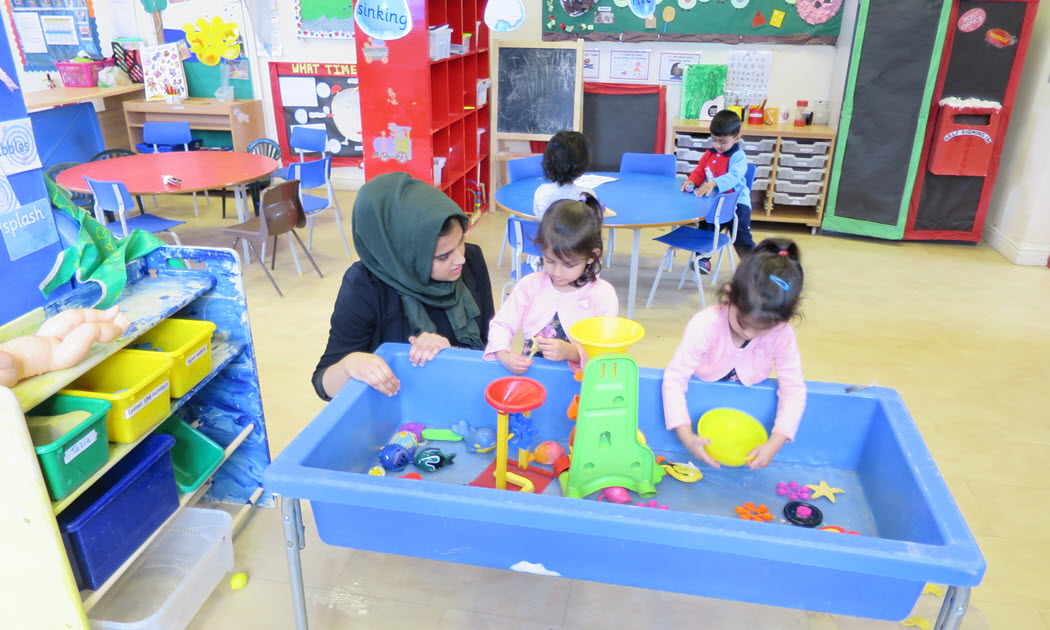
Toddlers benefit from settings that include outdoor play, creative arts, and sensory activities. Lemon Tree highlights these in their Daily Routine, ensuring children enjoy a balanced mix of learning and play.
How to Assess Preschool Learning Environments During a Visit
Visiting a preschool gives insight you cannot get online. Look for clean, safe classrooms and engaging play areas. Observe how children interact with staff. Do they feel confident and secure?
Check spaces for age-appropriate toys, outdoor areas, and quiet corners for focused activities. The Gallery at Lemon Tree gives a snapshot of how these environments are structured in practice.
Safety, Care Standards, and Ofsted Ratings Explained Simply
Ofsted inspections are a useful measure of quality. They rate preschools on leadership, safeguarding, learning outcomes, and staff performance. Settings rated “Good” or “Outstanding” signal reliable care.
While ratings are important, don’t rely on them alone. A preschool that feels welcoming and matches your child’s needs may suit your family better than one with a slightly higher rating. Learn more about safety procedures in the Health & Safety section at Lemon Tree.
The Role of Communication Between Parents and Preschool Staff
Clear, regular communication helps children settle and supports learning at home. Ask about daily updates, progress reports, or apps used for sharing information.
At Lemon Tree, parents can read daily notes and updates on their child’s experiences, ensuring transparency. Check their Feedback page for real parent experiences.
Fees, Funding Options, and What Value Really Looks Like
Preschool fees in Manchester vary. All 3- and 4-year-olds receive at least 15 hours of free early education, and some working parents may be eligible for up to 30 hours. Two-year-olds in certain low-income families are eligible for 15 hours.
Age Group | Typical Funded Hours | Notes |
2-year-olds | 15 hours | Based on benefits or low income |
3-4 year olds | 15–30 hours | Universal 15 hrs, extension for working parents |
9 months–2 yrs | Up to 30 hours | Eligibility depends on work and income |
Comparing Different Preschool Options in Manchester
Manchester has nursery schools, private preschools, community playgroups, and childminders. Nursery schools may be linked to primary schools with structured routines, private preschools offer flexibility, and community settings focus on social play. Childminders provide small, home-based care.
Common Mistakes Parents Make When Choosing a Preschool
Rushing decisions, relying solely on online reviews, or waiting too long to apply can create unnecessary stress. Observing settings, asking questions, and trusting your instincts are crucial.
Lemon Tree’s Register Child page encourages early enrolment, helping families secure a spot and plan.
Final Thoughts
Choosing the right preschool is about balancing safety, learning, and your child’s happiness. Focus on choosing a Manchester-based preschool based on practical needs, emotional support, and clear communication.
A place like Lemon Tree combines these elements, offering structured learning, play, and nurturing staff. By planning and visiting multiple settings, you can find the best preschool for toddlers and give your child a confident start to their educational journey.
FAQs
How early should I start choosing a preschool in Manchester?
It’s best to start exploring options when your child is around two years old. Popular preschools fill quickly, especially for funded hours, so planning gives you more choices and time to visit settings.
At what age is it best to start preschool for toddlers?
Many parents begin at age two or three to take advantage of social learning and funded childcare opportunities. Starting at this age also helps toddlers develop routines and early school readiness skills.
How do I know if a preschool is the right fit for my child?
Observe how children interact with staff and each other during visits. Talk to teachers about routines, and trust your instincts about whether the environment feels welcoming and supportive for your child.
Are Ofsted ratings the most important factor?
Ofsted ratings help assess quality, but should not be the only consideration. A preschool that matches your child’s personality and needs can sometimes be a better fit than one with higher ratings.
What questions should I ask during a preschool tour?
Ask about daily routines, meals, staff qualifications, and how they help children settle in. Also inquire about communication with parents and how progress is shared regularly.